Home Inspection Safety Essentials: What Inspectors Check for Fire, Gas & Structural Risks
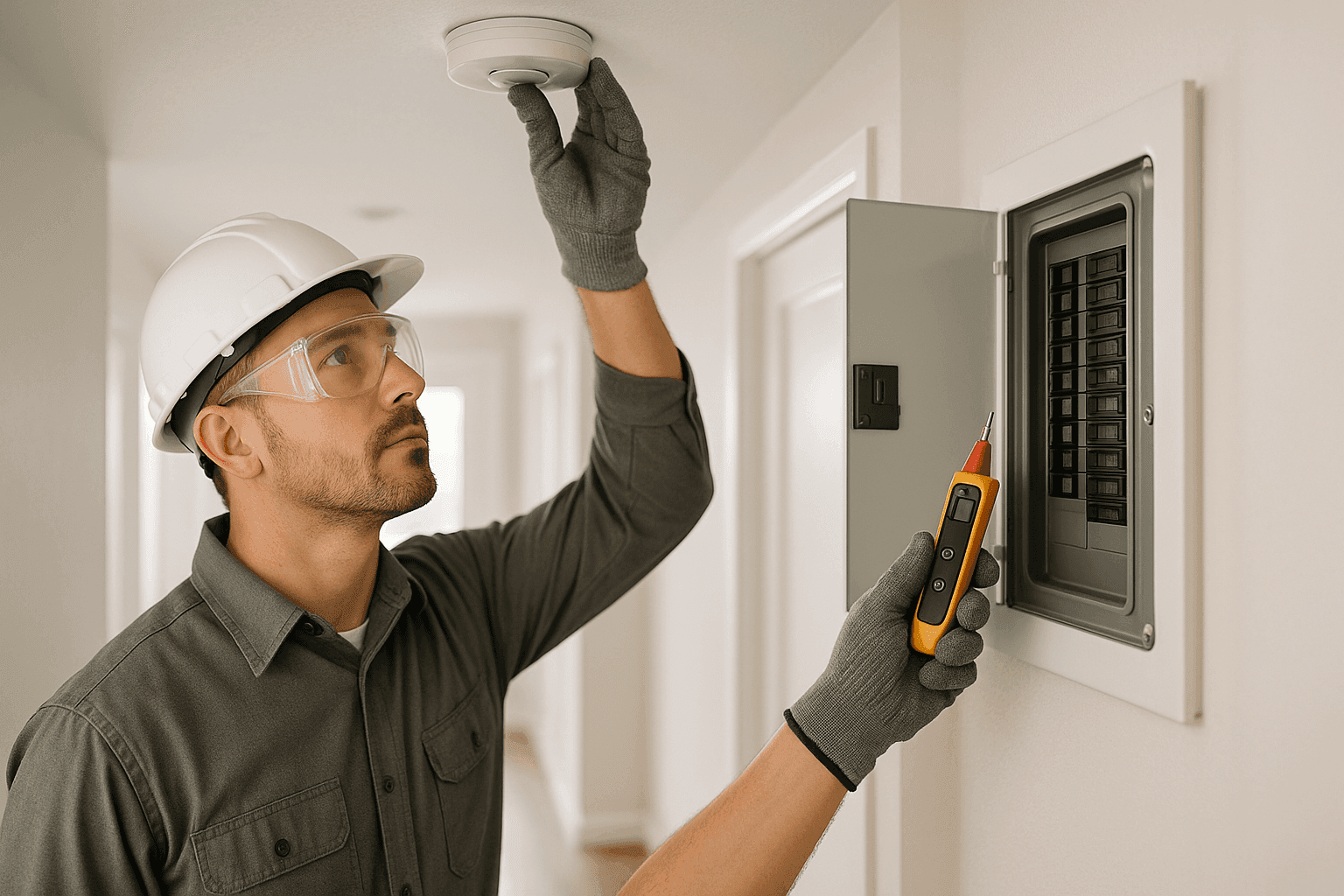
When it comes to your home or commercial property, safety isn’t a luxury—it’s a necessity. Fires, gas leaks, and hidden structural issues don’t wait for a convenient time to strike. That’s why every inspection from Find The Mold is built around one core promise: to help you sleep easier, knowing the places you care about most are safer.
A proper home_inspection is like a yearly checkup for your building. It’s not just about boxes on a list. It’s about catching small problems before they become big, expensive emergencies. Here’s what every owner, buyer, or seller should know about what inspectors look for—and why these checks matter.
The Real Risks: Why Safety Checks Matter
Imagine your home as a living body. The foundation is its bones. The wiring and pipes, its veins and arteries. Fire safety systems are like immune defenses, ready to spring into action at the first sign of trouble.
But even the healthiest body can have hidden risks. A chimney with a crack. An old gas appliance. A shifting wall. These aren’t just nuisances—they can become life-changing hazards.
Statistics from the National Fire Protection Association (NFPA) reveal that most house fires start from overlooked maintenance. Meanwhile, the Centers for Disease Control and Prevention (CDC) warns that carbon monoxide poisoning is a silent killer, often striking in winter.
That’s why regular inspections aren’t just a smart move—they could be lifesaving.
Quick Safety Checklist ✅
Here’s a fast, skimmable list of the essentials every inspector from Find The Mold checks:
- Chimneys & Fireplaces: Cracks, blockages, creosote buildup, and safe clearances.
- Smoke & Carbon Monoxide Alarms: Location, battery life, and functionality.
- Emergency Exits: Doors and windows open easily; clear pathways.
- Gas Appliances: Signs of leaks, corrosion, or faulty connections.
- Ventilation: Proper airflow around appliances, attics, crawl spaces.
- Foundation & Structure: Cracks, sagging, water damage, shifting walls.
- Electrical Systems: Overloaded panels, exposed wires, outdated breakers.
- Basement & Crawl Spaces: Water intrusion, rot, mold, pest entry points.
- Roof & Gutters: Loose shingles, leaks, blocked drainage.
Every item is checked using standards set by the International Association of Certified Home Inspectors (InterNACHI), the National Fire Protection Association (NFPA), and local building codes.
DIY vs. Call a Pro
You can spot some red flags on your own—burnt-out light bulbs, a missing smoke detector, or a sagging gutter. But deeper dangers hide out of sight or require special tools.
- DIY: Test smoke alarms monthly. Keep exits clear. Look for obvious cracks.
- Leave to Pros: Chimney Inspection near you, gas leak checks, electrical panel testing, foundation analysis.
Professional inspectors have training, certification, and equipment most homeowners don’t. They know how to spot the “invisible” threats—and how to document findings for insurance or real estate needs.
What Pros Do On Arrival
When a Find The Mold inspector visits, here’s what you can expect:
Fire Safety Checks 🔥
- Chimneys: Inspect for cracks, creosote, blockages (per NFPA 211 standards).
- Smoke Alarms: Confirm placement and function in bedrooms, hallways, and living spaces.
- Exits: Ensure every bedroom has an operable window or door for emergency escape.
- Electrical: Inspect panel for proper labeling, secure wiring, and breaker condition.
Gas and Carbon Monoxide Risks
- Appliances: Check stoves, water heaters, furnaces for leaks or faulty connections.
- Detectors: Test and recommend placement of carbon monoxide detectors (as per CDC guidelines).
- Ventilation: Assess airflow in utility rooms, attics, and crawl spaces to prevent buildup.
Structural Safety
- Foundation: Look for cracks wider than a pencil, uneven floors, or signs of settling.
- Load-Bearing Walls: Check for bowing, bulging, or water stains.
- Visible Damage: Spot termite tunnels, wood rot, mold, or rusted supports.
- Roof: Evaluate from outside and attic for leaks, mold, and insulation gaps.
Each step is documented with photos and clear, readable notes—not just technical jargon.
Prevention & Maintenance
The best inspections are proactive, not just reactive. Here’s how to keep your property safer year-round:
- Change batteries in smoke and CO alarms every six months (spring and fall time changes work well).
- Schedule chimney cleaning every year before heating season starts.
- Test all exits—doors and windows—twice a year for smooth operation.
- Have gas appliances serviced annually by licensed professionals.
- Inspect roof and gutters after heavy storms or wind events.
- Seal foundation cracks as soon as they appear to prevent water intrusion or pests.
- Monitor basement humidity—aim for under 60% to discourage mold.
Refer to the U.S. Fire Administration (USFA) and National Association of Home Builders (NAHB) for seasonal maintenance schedules.
Costs & Time Factors
How long does a home_inspection take? Most full-property inspections last between 2–4 hours for a standard single-family home. Larger commercial buildings or multi-family properties can take longer, especially when checking complex systems.
Costs vary by region, property size, and scope. Specialized inspections (like Chimney Inspection near you, sewer scope, or mold testing) may be additional. The cost of regular inspections is small compared to the price of emergency repairs or insurance claims after an avoidable disaster.
When It’s an Emergency
Some signs mean you shouldn’t wait—call now:
- You smell gas (like rotten eggs).
- You hear popping or buzzing from electrical panels.
- You see smoke from outlets or appliances.
- Sudden cracks appear in walls or ceilings after heavy rain or earthquakes.
- Alarms go off for smoke or carbon monoxide.
In these cases, leave the building and call emergency services before scheduling an inspection.
Frequently Asked Questions
What’s the most common safety issue inspectors find?
It depends on the age and location of the property, but missing or nonfunctional smoke alarms, blocked chimney flues, and minor foundation cracks are frequent issues. Mold and hidden plumbing leaks are also common, especially after wet seasons.
How often should I get a full home_inspection?
Most safety authorities recommend a professional inspection every 1–2 years for residential properties, and annually for commercial spaces. After major weather events or renovations, schedule an extra check.
Are inspections required by law?
Some elements—like carbon monoxide detector placement—are required by local or state laws. Check with your local building department for the rules that apply to your property type and location.
Can home_inspection uncover risks before selling or buying?
Absolutely. Pre-listing and pre-purchase inspections are standard because they reveal issues that could affect the value, insurance, or safety of the deal.
Local & Seasonal Safety Tips 🏡
- Before winter: Have your chimney, furnace, and attic insulation checked. Frozen pipes and heating failures spike in cold months.
- After storms: Inspect your roof, gutters, and basement for leaks or debris.
- During wildfire season: Clear dry brush from around your home, and check attic and crawl space vents for embers.
- Spring and fall: Test all alarms, check for foundation cracks, and clean gutters.
Remember, every region has its own rhythms and threats—hurricanes, earthquakes, deep freezes. A local inspector knows what to look for, when, and why.
Your safety and investment deserve more than luck or guesswork. Find The Mold brings certified, careful eyes to every corner, nook, and cranny—so you can breathe easy, knowing you’re protected.
Call Find The Mold now — or reach us anytime at 888-818-5264 .