How to Detect and Prevent Plumbing Leaks Before They Cause Damage
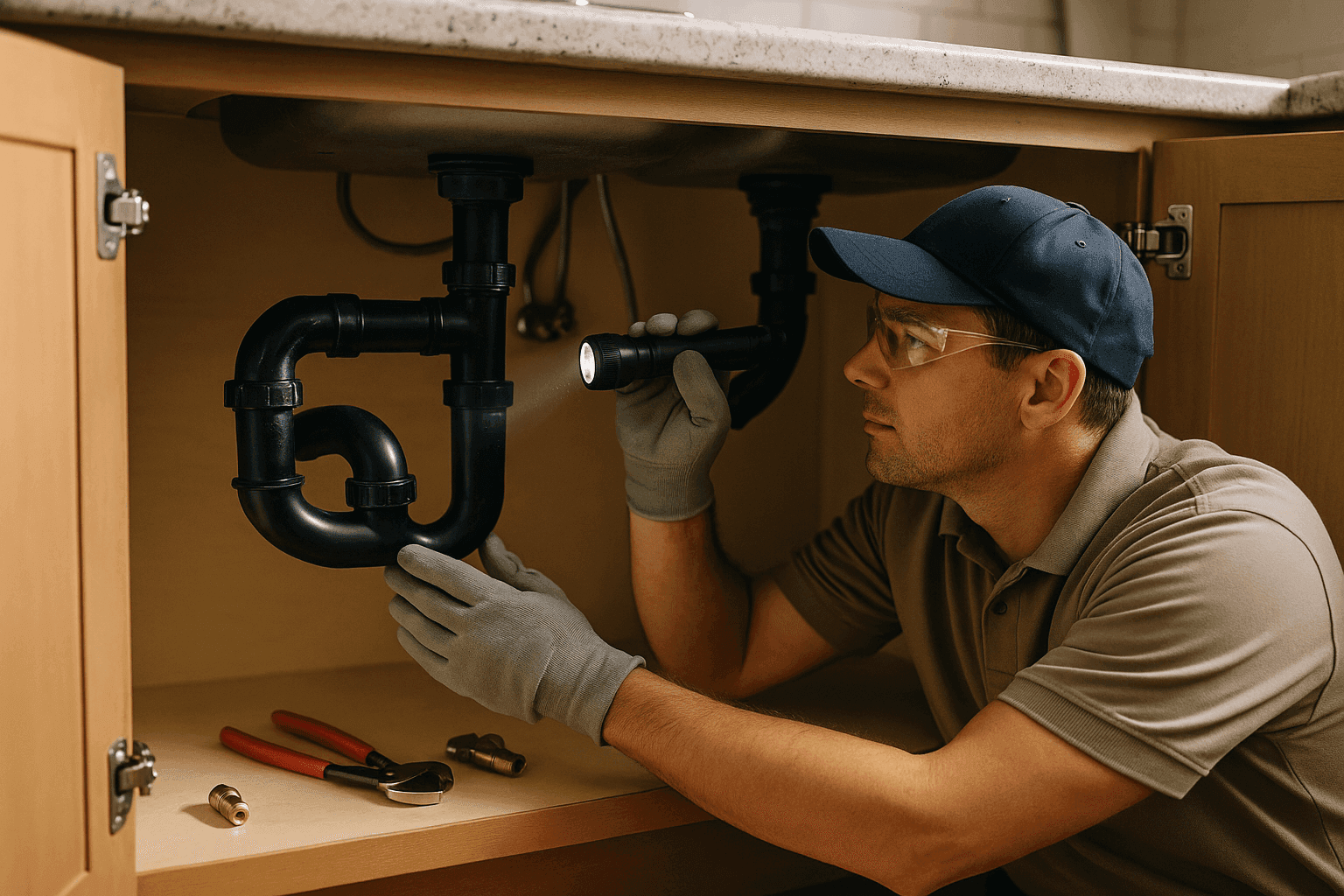
Is there a silent drip lurking behind your walls? Plumbing leaks can sneak up on anyone. One day, your home feels safe and dry. The next, you’re facing water stains, warped floors, or even a musty smell that just won’t go away.
At Find The Mold, we know how quickly a small leak can turn into a big headache. Acting fast is key. With the right know-how, you can catch leaks early, protect your home, and avoid expensive repairs down the road.
Common Signs of Plumbing Leaks 🕵️
Not all leaks announce themselves with a gushing pipe. Some are as subtle as a whisper. Here’s what to watch for:
- Unexplained increases in your water bill
If your usage habits haven’t changed but your bill jumps, water might be escaping somewhere. - Damp spots or water stains
Look for discoloration on ceilings, walls, or floors—especially in bathrooms, kitchens, or basements. - Musty or moldy odors
Persistent dampness can lead to mold growth. If you smell something off, investigate further. - Peeling paint or wallpaper
Moisture behind walls can cause finishes to bubble, crack, or peel. - Sounds of running water
When the house is quiet, listen for trickling or dripping sounds you can’t explain. - Low water pressure
A sudden drop in pressure could mean water is leaking out before it reaches your faucet. - Visible mold growth
Even a small patch could signal a hidden leak.
DIY Leak Detection Methods
You don’t need to be a plumber to spot trouble. Here are practical steps every homeowner can take:
Check Your Water Meter
- Turn off all water-using appliances and faucets.
- Note the reading on your water meter.
- Wait two hours without using any water.
- Check the meter again. If the number has changed, you may have a leak.
Inspect Under Sinks and Around Appliances
- Open cabinet doors under sinks. Feel for dampness or look for puddles.
- Check behind your washing machine, dishwasher, and refrigerator.
- Run your hand along visible pipes for moisture.
Test Toilets for Silent Leaks
- Add a few drops of food coloring to the toilet tank.
- Wait 30 minutes (don’t flush).
- If color appears in the bowl, water is leaking from the tank.
Examine Outdoor Spigots
- Attach a garden hose, turn on the water, and look for leaks at the connection.
- Walk around your yard for soggy patches or unusually green grass.
Look for Foundation Cracks
- Inspect your basement or crawl space for water trickling or pooling near the foundation.
When to Call a Professional
Some leaks hide where you can’t see—or cause more damage than you can handle alone. Here’s when to bring in certified home inspectors:
- Persistent moisture or mold that returns after cleaning.
- Unexplained mold growth in areas without plumbing fixtures.
- Leaks inside walls, ceilings, or floors where you can’t access the pipes.
- Signs of structural damage, like sagging floors or warped wood.
- Multiple affected areas—if you find leaks in more than one spot, the problem could be widespread.
- Water near electrical systems—never risk safety around outlets or wiring.
Certified inspectors have the tools and experience to track leaks to their source. At Find The Mold, our emergency home_inspection services include moisture meters, infrared cameras, and thorough plumbing system inspections.
Preventative Maintenance Tips
An ounce of prevention is worth a pound of cure—especially with plumbing. Here’s how to keep leaks at bay:
- Inspect pipes annually for signs of corrosion, rust, or mineral buildup.
- Replace worn washers and seals on faucets and hose bibs.
- Insulate exposed pipes to prevent freezing and cracking in cold weather.
- Clean gutters and downspouts to direct water away from your foundation.
- Check appliance hoses for cracks or bulges every six months.
- Install water leak detectors near water heaters, washing machines, and under sinks.
- Know where your main water shut-off valve is—and make sure everyone in the household does, too.
- Schedule regular plumbing inspections with a qualified professional. Early detection can save thousands in repairs.
Emergency Steps if a Leak is Found 🚨
If you spot a leak, don’t panic—act fast:
- Shut off the water supply
Find your main shut-off valve and turn it off immediately. - Turn off electricity
If water is near outlets or electrical panels, switch off the power at the breaker box. - Move valuables
Remove electronics, furniture, and important items from the affected area. - Contain the water
Use towels, buckets, or a wet/dry vacuum to limit the spread. - Call for emergency home_inspection
Get professionals onsite to assess the damage and prevent further issues. - Document the damage
Take photos for insurance purposes.
What Professionals Do on Arrival
When a certified inspector from Find The Mold arrives, here’s what you can expect:
- Thorough visual inspection of all accessible plumbing lines, fixtures, and appliances.
- Use of moisture meters to detect hidden dampness behind walls or under floors.
- Infrared thermal imaging to spot leaks not visible to the naked eye.
- Assessment of structural impact, checking for compromised wood, drywall, or insulation.
- Testing of indoor air quality to evaluate for mold spores or elevated humidity.
- Detailed report outlining findings and recommended next steps.
Our inspectors follow safety guidelines from sources like the International Association of Certified Home Inspectors (InterNACHI) and the American Society of Home Inspectors (ASHI).
Costs & Time Factors
No two leaks are the same. Here’s what can affect the cost and duration of repairs:
- Location of the leak
Accessible leaks under sinks are quicker (and cheaper) to fix than those inside walls or foundations. - Extent of damage
The longer a leak goes unnoticed, the more likely you’ll face repairs to drywall, flooring, or insulation. - Type of plumbing
Older homes with outdated pipes may require more extensive work. - Professional fees
Emergency home_inspection services may come with premium rates for after-hours calls.
On average, expect a professional inspection to take 1–2 hours. Complex cases can take longer, especially if there’s significant water damage or mold remediation is needed.
When It’s an Emergency
Some situations can’t wait. Call for immediate help if:
- Water is flooding your home or pooling rapidly.
- There’s visible mold growth spreading quickly.
- You smell gas or suspect electrical hazards near the leak.
- Sewage is backing up through drains.
- You can’t locate or stop the source of the leak.
Quick action can mean the difference between a simple repair and a full-scale renovation.
FAQ: Plumbing Leaks & Home Inspections
How often should I check for leaks?
A quick monthly check of visible pipes, appliances, and water bills is a good habit. Schedule a professional inspection at least once a year.
Can mold from leaks make me sick?
Yes. Mold thrives in damp environments and can cause respiratory issues, especially for children, elderly, or those with allergies.
Do insurance policies cover water damage from leaks?
Many do, but only if the leak is sudden and accidental—not from long-term neglect. Always check your policy details.
What’s the difference between a plumber and a home inspector?
Plumbers repair leaks. Certified home inspectors assess the overall health of your plumbing system, identify hidden issues, and evaluate related risks like mold or structural damage.
Special Considerations for Plumbing Leak Inspections
- Older homes may have outdated pipes that are more prone to leaks.
- Homes with basements or crawl spaces need extra attention, as leaks can go unnoticed in these areas.
- Seasonal changes can stress pipes—inspect before and after extreme weather.
- Indoor air quality can be affected by hidden leaks and resulting mold growth. Testing can help protect your family’s health.
- DIY repairs can sometimes cause more harm than good. Know your limits and call for help when needed.
Leaks don’t wait. Neither should you. Protect your home, your health, and your peace of mind.
Call Find The Mold now — or reach us anytime at 888-818-5264 .