Seasonal Home Inspection Tips: Preparing Your Property for Winter Storms
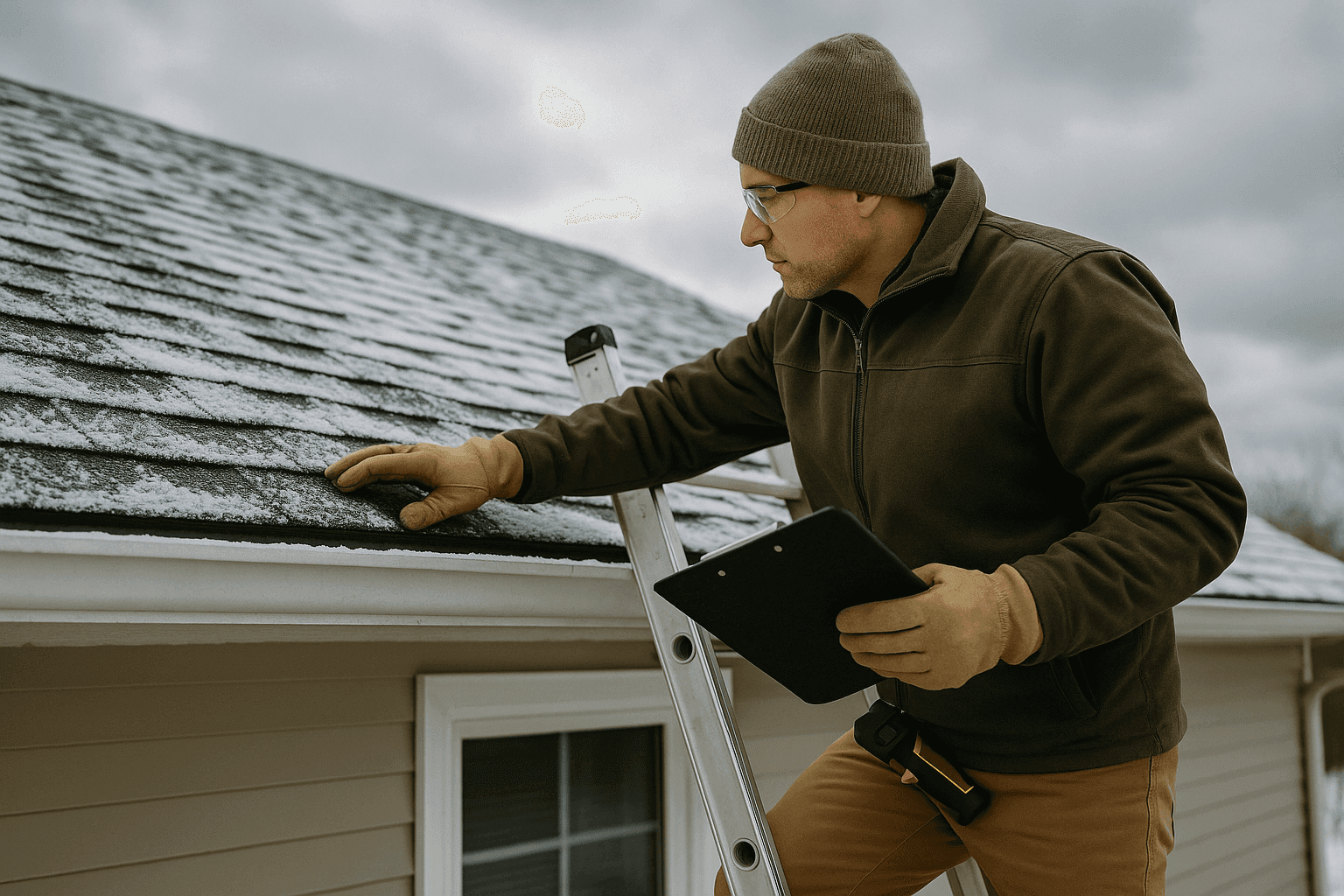
Winter storms don’t knock before they enter. They barge in—bringing ice, wind, and water that test every corner of your home. When the temperature drops and the wind howls, small problems can quickly become big, expensive headaches.
At Find The Mold, we know the heartache of waking up to a flooded basement or a furnace that’s quit in the middle of the night. Our certified inspectors help homeowners prepare for winter’s worst—day or night. Here’s how you can get ahead of the storm and avoid those “I wish I’d checked that” moments.
Why Seasonal Inspections Matter ❄️
Winter weather isn’t just cold—it’s relentless. Snow and ice build up on your roof, putting stress on shingles and gutters. Pipes can freeze and burst, causing water to pour into places it doesn’t belong. Heating systems run overtime, sometimes releasing dangerous gases if they malfunction.
Think of your home like a winter coat. If there’s a rip or a missing button, the cold finds its way in. Seasonal inspections help you spot those weak points before the storm hits. According to the International Association of Certified Home Inspectors (InterNACHI), regular inspections reduce the risk of costly winter damage and keep your family safer.
Increased Winter Risks
- Ice Dams: Melting snow refreezes at the roof edge, forcing water under shingles and into your attic.
- Frozen Pipes: Water expands as it freezes, cracking pipes and flooding walls or basements.
- Storm Damage: High winds and heavy snow can loosen shingles, damage siding, or topple trees onto your home.
- Carbon Monoxide Hazards: Faulty heating systems can leak this invisible, deadly gas.
Ignoring these risks is like driving on bald tires in a blizzard. It might be fine—until it’s not.
Essential Winter Inspection Checklist
A thorough winter inspection covers every system that keeps your home safe, dry, and warm. Here are the must-check areas before the first big freeze:
- Roof Integrity: Look for cracked, missing, or loose shingles. Check flashing around chimneys and vents. Heavy snow is unforgiving to weak spots.
- Gutter Cleaning: Clear out leaves and debris. Clogged gutters cause ice dams and water backup.
- HVAC System Readiness: Test your furnace or boiler. Replace filters. Make sure vents aren’t blocked by furniture or drapes.
- Plumbing Leak Detection: Inspect exposed pipes for leaks or corrosion. Insulate pipes in cold areas like attics, crawl spaces, and garages.
- Electrical Panel Safety: Check for signs of rust, moisture, or burning smells. Winter puts extra load on electrical systems.
- Attic and Crawl Space: Look for water stains, mold, or sagging insulation.
- Foundation and Basement: Scan for cracks or signs of water intrusion. Freeze-thaw cycles widen existing cracks.
- Carbon Monoxide and Smoke Detectors: Test every alarm. Replace batteries if needed.
- Fireplace and Chimney: Ensure flues are clear and dampers work. Creosote buildup is a fire hazard.
Tackling this list before winter gives you peace of mind—and fewer surprises when the snow flies.
Identifying Early Warning Signs
Some problems start small but grow fast in winter’s grip. Catching them early can save you thousands and keep your home safe.
Mold Growth from Moisture
Mold is like a weed—it thrives where there’s moisture. After a heavy snow or ice dam, check your attic, basement, and around windows for musty smells or dark spots. Mold can trigger allergies and weaken wood framing. The U.S. Environmental Protection Agency (EPA) warns that indoor mold is a serious health risk, especially for children and seniors.
Foundation Cracks from Freeze-Thaw Cycles
Water seeps into tiny cracks, freezes, and expands. Over time, those hairline cracks in your foundation can widen, letting in more water and even pests. If you spot new cracks or notice doors sticking, don’t ignore it—this is your home asking for help.
Carbon Monoxide Risks from Heating Systems
When furnaces or fireplaces aren’t vented properly, they can leak carbon monoxide—a silent, odorless killer. If anyone in your home feels dizzy, nauseous, or unusually tired, get everyone outside and call emergency services. The Centers for Disease Control and Prevention (CDC) recommends annual heating system checks to prevent CO poisoning.
Emergency Preparedness Tips
Even with the best preparation, winter storms can catch you off guard. Here’s what to do if you spot damage or lose heat:
- Shut Off Water: If a pipe bursts, turn off the main water valve to stop flooding.
- Stay Warm: Use extra blankets, wear layers, and seal off unused rooms to conserve heat.
- Document Damage: Take photos for insurance claims before making repairs.
- Avoid DIY Electrical Fixes: If you see sparks, smell burning, or lose power, call a licensed electrician.
- Call for Emergency Home_Inspection: If you suspect structural damage, mold, or gas leaks, don’t wait. Find The Mold offers 24/7 emergency home_inspection services to assess the risk and guide your next steps.
Trust and Expertise: Why Choose Find The Mold 🛠️
When the stakes are high, experience matters. Our inspectors are certified, background-checked, and trained to spot problems others miss. We use advanced tools—thermal cameras, moisture meters, gas detectors—to find hidden hazards.
But it’s not just about tools. It’s about being there when you need us, day or night. Whether you’re facing an emergency or just want peace of mind before winter, Find The Mold is ready to help.
Practical Prevention Steps for Homeowners
A little effort now saves a lot of trouble later. Here’s what you can do before calling in the pros:
- Seal Drafts: Use weatherstripping on doors and windows.
- Trim Trees: Cut back branches that could fall on your roof.
- Test Sump Pumps: Make sure your basement stays dry.
- Stock Emergency Supplies: Flashlights, batteries, bottled water, and blankets.
- Know Your Shut-Offs: Learn where your water, gas, and electrical shut-offs are located.
When to Schedule a Seasonal Inspection
Don’t wait for the first snowflake. The best time for a seasonal inspection is late fall, before the deep freeze sets in. If you notice any warning signs—like leaks, strange smells, or cold spots—schedule an emergency home_inspection right away.
FAQ: Winter Home Inspections
How often should I have my home inspected in winter?
Most homes benefit from a yearly inspection before winter. If you’ve had past issues with leaks or heating, consider a mid-winter check as well.
What’s included in a winter home inspection?
A winter inspection covers the roof, gutters, insulation, heating systems, plumbing, electrical panel, and areas prone to moisture or mold.
Can I do my own inspection?
You can spot basic issues, but some problems—like hidden leaks or electrical faults—require professional tools and training.
What if I find mold or water damage?
Call a certified inspector right away. Mold spreads quickly in winter and can damage both your home and your health.
Special Considerations for Winter Inspections
Every home is unique. Older homes, homes with flat roofs, or those with past water issues need extra attention. If you rely on a well or septic system, schedule those inspections before the ground freezes.
Remember, winter storms don’t care how busy you are. A proactive inspection is like putting on your snow boots before stepping outside—not after your socks are soaked.
Call Find The Mold now — or reach us anytime at 888-818-5264 .